
Michigan Property Taxes
Understanding your tax obligations & strategies
Overview
Michigan property taxes are based on a system that separates market value from what you are actually taxed on, and that market value is not determined by a detailed appraisal of your individual home. Instead, local assessors use mass appraisal methods that rely on neighborhood data, recent sales, and broad property characteristics to estimate market value across defined areas. The assessed value is set at 50 percent of that estimate and confirmed by the state as the SEV. When you buy a home, the taxable value is uncapped the following year and resets to the SEV, which is why taxes often increase after purchase. From that point forward, Michigan’s Proposal A limits how much taxable value can rise each year to the lesser of 5 percent or inflation. Your actual tax bill is then calculated by multiplying the taxable value by the local millage rate, which varies by city, township, and school district.
Links & Resources
Key Definitions
What the home is worth today
Based on assessor’s estimate, not your purchase price. This can be argued at the municipal level.
50% of market value
Set by local assessor
Verified AV by the State
Becomes your taxable value when a home is uncapped
What you’re actually taxed on
Limited by Proposal A law (no more than 5% a year) until ownership changes
Millage Rates: Why Location Matters

Each area has its own rate. For example:
Your millage rate is based on:
- Your Township or City
- School District
- County-wide Special Assessments
How Property Taxes Are Calculated in Michigan
In Michigan, your annual property tax bill is calculated like this:
- Taxable Value is initially based on the SEV the year of or year after you bought the home, and thereafter is likely to increase yearly as millage and SEV increase but is limited by law (see “capping” below).
- Millage Rate is the tax rate for your local area, usually between 30 and 70 mills.
- The Taxable Value should not be considered when purchasing a home as it has no bearing on new owners tax rate.
- 1 mill = $1 in tax per $1,000 of taxable value = 0.001
Say your home has a taxable value of $100,000 and your area has a millage rate of 40 mills:
Or:
- $100,000 ÷ 1,000 = 100 units
- 100 × 40 = $4,000
What Happens When You Buy a Home?
Uncapping
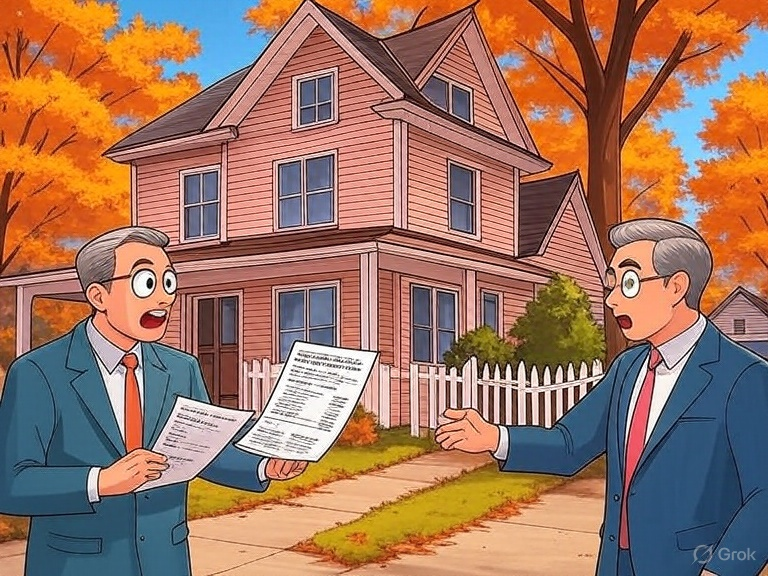
In Michigan, when you buy a property, the taxable value is “uncapped” the following year—this means it resets to equal the SEV, which is 50% of the assessor’s market value.
This can cause a big jump in taxes if the home has had the same owner for many years.
You don’t pay based on what you paid for the home. The assessor re-evaluates market value and sets the SEV for the following year.
How Taxes Are Limited Over Time
Capping
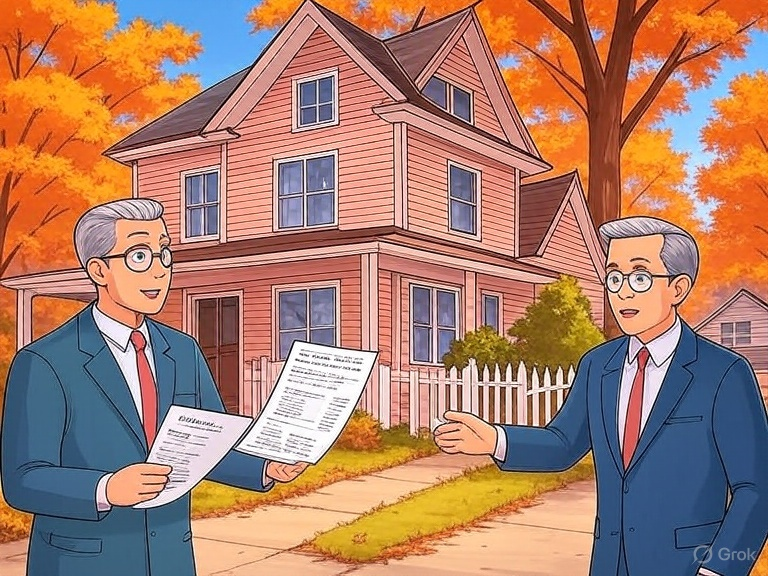
Once you own the property for a full tax year, Michigan law (Proposal A) kicks in to limit how much the taxable value can increase.
- Capped by the lesser of 5% or the inflation rate
- Prevents runaway taxes in rapidly appreciating markets
- Cap is removed if you sell or add major improvements
This is why long-time owners often have much lower tax bills—even if their homes are worth much more.
The Big Unknown
What Will the SEV Be?
When you buy a home, you won’t know exactly what the SEV will be for next year. The local assessor sets it based on market data and neighborhood trends.
There is no cap or limit on how high the SEV can be set—so taxes can jump significantly after purchase.
Best Practices:
- Review the current SEV and AV in BS&A, or the local assessor’s website
- Ask how much the SEV has increased in recent years
- Call your Local Assessor and ask
- Use the Michigan Property Tax Estimator
Example Timeline
| Year | What Happens | Taxable Value | Estimated Tax |
|---|---|---|---|
| 2024 | You buy the home | You pay seller’s capped taxes (low) | ~$2,500 |
| 2025 | Value is uncapped to SEV | $100,000 | ~$4,000 |
| 2026+ | Value is now capped | Increases slowly each year | ~$4,120 (with 3% inflation) |
Special Exemption: 100% Disabled USA Veterans

If you are a 100% disabled veteran, you may qualify for a complete exemption from property taxes on your primary residence.
Who Qualifies:
- 100% service-connected disabled veteran
- Rated individually unemployable and totally disabled
- Unremarried surviving spouse of a qualifying veteran
- Must own and occupy the home as a principal residence
How to Apply:
- File Form 5107 with your local assessor
- Submit proof of VA disability rating
- Apply before your local Board of Review (usually March, sometimes July/December)
Some municipalities now approve multi-year exemptions—contact your local assessor to confirm your area’s rules.